⚕️ Medical Disclaimer: This article is for informational purposes only and does not constitute medical advice. If you suspect a skin infection, consult a healthcare professional for proper diagnosis and treatment. Do not self-diagnose or delay seeking medical attention for serious infections like MRSA.
Last reviewed: July 2026 | Sources cited from peer-reviewed journals and health authorities (see References below)
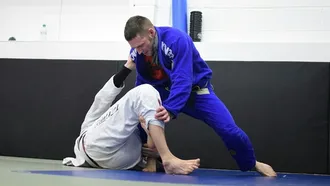
As practitioners of Brazilian Jiu-Jitsu (BJJ) roll on the mats, engage in close contact, and strive for that perfect submission, they face an opponent more insidious than a well-executed armbar: skin infections like ringworm and staph.
But what exactly are these contagious skin conditions, and why are they a major concern in the BJJ community? This guide breaks down ringworm in BJJ and staph infections, exploring their impact, how they spread, and most importantly, how to prevent and treat them effectively.
Along with skin infections, athletes should also be aware of other BJJ safety concerns, such as injuries and training risks, to ensure they stay healthy on the mats.
Ringworm in BJJ: What You Need to Know
Despite its misleading name, ringworm isn't caused by a worm. It's a fungal infection of the skin, medically known as tinea corporis [1]. This highly contagious condition is a common problem in Brazilian Jiu-Jitsu and other contact sports.
Ringworm presents as a red, itchy, circular rash with a clear center, resembling a ring (hence the name). It thrives in warm, moist environments like a BJJ gym where athletes grapple and sweat together.
The culprit? A group of fungi called dermatophytes, which spread easily through skin contact and contaminated surfaces [1].
A study on skin infections in contact sports published in the Journal of Athletic Training highlights the prevalence of fungal infections in BJJ and wrestling, reinforcing the need for strict hygiene practices [2].
Can You Train BJJ with Ringworm?
No, absolutely not!
If you have ringworm, you should not train BJJ under any circumstances. Ringworm is highly contagious and spreads through skin-to-skin contact and contaminated mats, Gis, and gear. Essentially everything in a BJJ gym. The National Athletic Trainers' Association (NATA) guidelines state that athletes with active fungal skin infections should be excluded from contact sports until the infection is no longer communicable [3].
By training with an active ringworm infection, you're putting your training partners at serious risk. No one wants to roll with someone who could spread a fungal infection!
Stay off the mats, treat the infection, and only return to training when it's completely cleared.
How Does Ringworm Spread in BJJ?
The nature of Brazilian Jiu-Jitsu makes it the perfect environment for ringworm to spread. Here's how athletes contract this common BJJ skin infection:
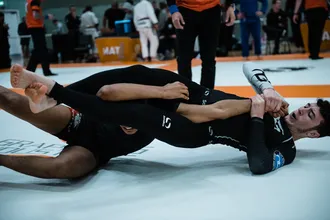
- Skin-to-Skin Contact: Direct contact with an infected training partner spreads the fungus easily [1]. This risk is even higher in no-gi training, where more bare skin is exposed.
- Contaminated Surfaces: BJJ mats, rash guards, towels, and even shared gear can harbor the fungus for extended periods. Dermatophytes can survive on surfaces for weeks to months [4].
- Poor Hygiene Habits: Failing to shower after training or re-wearing unwashed gear increases the risk of infection.
- Warm, Moist Environments: Sweaty mats, gym floors, and locker rooms create an ideal breeding ground for dermatophytes.
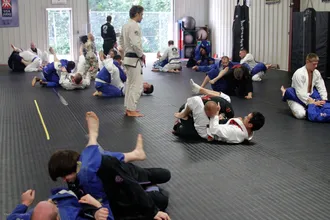
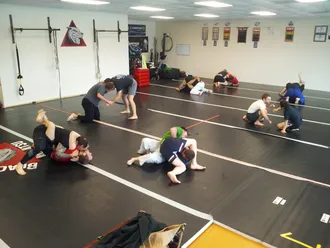
Since BJJ classes involve close-contact training and extensive time on the mats, understanding what happens in a BJJ class can help new practitioners be more aware of how to apply hygiene best practices from day one.
How to Prevent Ringworm in BJJ
Prevention is always better than treatment! The CDC and sports medicine literature recommend the following measures to avoid ringworm in Brazilian Jiu-Jitsu [1] [3]:
- Shower Immediately After Training: Use antifungal soap to eliminate any fungal spores before they take hold.
- Wash Your BJJ Gear After Every Session: This includes your BJJ Gi, rash guard, shorts, and towels.
- Keep the Mats Clean: Gyms should disinfect mats daily to prevent fungal growth.
- Check Your Skin Regularly: Catching ringworm early can prevent spreading it to others.
- Never Share Personal Items: Avoid sharing towels, razors, and training gear.
How to Treat Ringworm from BJJ
Even with the best prevention, BJJ athletes can still get ringworm. Here's what to do if you suspect you're infected:
- Stop Training Immediately: Don't risk spreading it to others.
- Use Over-the-Counter Antifungal Creams: The CDC recommends topical antifungals such as clotrimazole, terbinafine, or miconazole [1].
- See a Doctor for Severe Cases: Prescription oral antifungal medication (such as griseofulvin or terbinafine tablets) may be needed for extensive or resistant infections [5].
- Disinfect Your Gear & Environment: Wash everything that may have come in contact with the fungus.
Most mild cases clear up in one to two weeks with consistent treatment, but severe cases can take up to four to six weeks [5].
Ringworm Recovery Time: How Long Until You Can Train?
Mild Cases
Mild cases of ringworm, especially those limited to the skin's surface, are often treated with over-the-counter antifungal creams. Most athletes start to see improvement within one week of consistent treatment.
Even if symptoms begin to fade early, it's crucial to complete the full treatment cycle (typically 2–4 weeks) to prevent recurrence [5]. Athletes with mild cases can typically expect to safely return to BJJ after one to two weeks of treatment, once no active lesions remain. When resuming, consider easing back into your regular training schedule gradually.
Moderate to Severe Cases
For more extensive or persistent infections, healthcare professionals may prescribe oral antifungal medications that work systemically to eliminate the fungus.
These more stubborn cases often require a recovery period of two to six weeks, depending on the severity [5]. Athletes may experience a gradual improvement in symptoms but should only return to training when the infection is completely cleared and no longer contagious. A healthcare provider can confirm when it's safe to resume contact sports.
Staph Infections in BJJ: What You Need to Know
Staphylococcus aureus, commonly known as staph, is a bacterium that can cause skin infections appearing as red, swollen, and painful bumps that may resemble pimples or boils [6].
In a BJJ environment, staph bacteria can spread through direct contact with infected skin or by using contaminated items like training mats, gear, or towels. The CDC reports that staph infections are particularly common in settings involving crowding, skin-to-skin contact, and shared equipment [6].
While ringworm itself does not directly cause a staph infection, having a compromised skin barrier (such as from ringworm, cuts, abrasions, or conditions like cauliflower ear) makes athletes more vulnerable to bacterial infections, including staph and MRSA (Methicillin-Resistant Staphylococcus aureus) [7].
MRSA is a particularly concerning form of staph because it is resistant to many common antibiotics and can lead to serious, potentially life-threatening infections if left untreated [7]. If you suspect MRSA, seek medical attention immediately.
How to Prevent Staph Infections in BJJ
Staph infections can be serious, but they are preventable. The CDC recommends the following measures to reduce your risk [6]:
- Keep Cuts and Wounds Covered: Any open wounds should be cleaned and properly bandaged before training.
- Practice Good Hygiene: Shower immediately after training and use antibacterial soap.
- Don't Share Personal Items: Avoid sharing towels, razors, or protective gear with training partners.
- Ensure Gym Mats Are Clean: Gym owners should disinfect mats daily to reduce bacteria buildup.
- Recognize the Signs Early: If you notice an unexplained red, swollen, or painful bump, seek medical attention immediately.
How to Treat Staph Infections from BJJ
Staph infections vary in severity, so treatment depends on the extent of the infection. Always consult a healthcare professional for proper diagnosis [6]:
- Topical Antibiotics: Mild, localized infections may be treated with prescription antibiotic ointments (e.g., mupirocin).
- Oral Antibiotics: If the infection is more serious, doctors may prescribe oral antibiotics to fight the bacteria.
- Incision and Drainage: For abscesses, a medical professional may need to drain the infection under sterile conditions.
- Seek Immediate Medical Attention for MRSA: If you suspect MRSA (which doesn't respond to standard antibiotics), consult a doctor immediately [7].
Never attempt to drain a staph infection yourself, as this can spread the bacteria and worsen the condition.
Athletes should avoid training until the infection is fully healed and no longer contagious, as confirmed by a healthcare provider.
Frequently Asked Questions (FAQs)
Can you train BJJ with ringworm?
No, you should never train BJJ with ringworm. Ringworm is highly contagious and spreads through skin-to-skin contact, mats, and gear. The NATA guidelines require athletes to be excluded from contact sports until fungal infections are no longer communicable [3]. Stay off the mats until it's completely cleared.
How long does it take for ringworm to heal in BJJ?
Most mild cases of ringworm heal within one to two weeks with antifungal treatment. More severe cases may require two to six weeks and prescription medication [5]. Always complete the full treatment course to prevent recurrence.
How can I prevent ringworm in BJJ?
To prevent ringworm, practice good hygiene: shower immediately after training, wash your BJJ Gi and gear after every session, keep mats clean, and never share towels or personal items [1] [3].
What does ringworm look like in BJJ athletes?
Ringworm appears as a red, circular rash with a clear center, often itchy and slightly raised [1]. If you notice an unusual rash, avoid training and consult a healthcare provider for proper diagnosis.
Is staph worse than ringworm in BJJ?
Generally, staph infections can be more serious than ringworm. While ringworm is a fungal infection that causes skin irritation, staph is bacterial and can lead to dangerous complications like MRSA or invasive infections if untreated [6] [7].
What happens if you train with a staph infection?
Training with a staph infection is extremely risky. Staph bacteria can spread through cuts and abrasions to training partners, potentially causing serious infections. If left untreated, MRSA (a drug-resistant form of staph) can cause severe health complications [7]. If you suspect a staph infection, see a doctor immediately.
How often should BJJ mats be cleaned?
BJJ mats should be cleaned at least once per day, preferably after every training session. The NATA recommends that wrestling and grappling mats be disinfected with an EPA-registered disinfectant before and after each use [3]. At BJJ competitions, skin checks are typically mandatory before matches.
Can you get MRSA from Brazilian Jiu-Jitsu?
Yes, MRSA can spread in BJJ and other contact sports due to close skin contact and shared surfaces. The CDC identifies athletes in contact sports as a higher-risk group for community-associated MRSA [7]. Practicing good hygiene, disinfecting training areas, and keeping wounds covered reduces the risk.
Conclusion: Keeping the BJJ Community Safe
Skin infections like ringworm and staph are a serious concern in Brazilian Jiu-Jitsu, but with proper hygiene, prevention, and early treatment, they can be managed effectively.
By integrating cleanliness protocols and educating athletes, BJJ gyms can create a safe training environment where athletes focus on improving their skills rather than battling infections.
For individual practitioners, personal responsibility in maintaining hygiene means more time on the mats and fewer health risks. If you suspect you have ringworm or staph, take immediate action. Consult a healthcare provider, stay off the mats, and return only when you're fully healed.
By staying informed, practicing prevention, and acting responsibly, we can ensure a healthier BJJ community where the only thing spreading is knowledge and skill, not infections. For more on how BJJ affects your body, check out our guide on BJJ and heart health.
References
- Centers for Disease Control and Prevention. (2024). About Ringworm (Dermatophytosis). cdc.gov.
- Adams, B.B. (2002). Dermatologic disorders of the athlete. Sports Medicine, 32(5), 309–321. doi:10.2165/00007256-200232050-00003
- National Athletic Trainers’ Association. (2010). Position Statement: Skin Diseases. Journal of Athletic Training, 45(4), 411–428. doi:10.4085/1062-6050-45.4.411
- Akhtar, N., et al. (2014). Dermatophytes: The skin eaters. Mycoses, 57(S3), 2–9. doi:10.1111/myc.12252
- Ely, J.W., Rosenfeld, S., & Seabury Stone, M. (2014). Diagnosis and Management of Tinea Infections. American Family Physician, 90(10), 702–710. aafp.org
- Centers for Disease Control and Prevention. (2024). About Staphylococcal (Staph) Infections. cdc.gov.
- Centers for Disease Control and Prevention. (2024). About MRSA. cdc.gov.